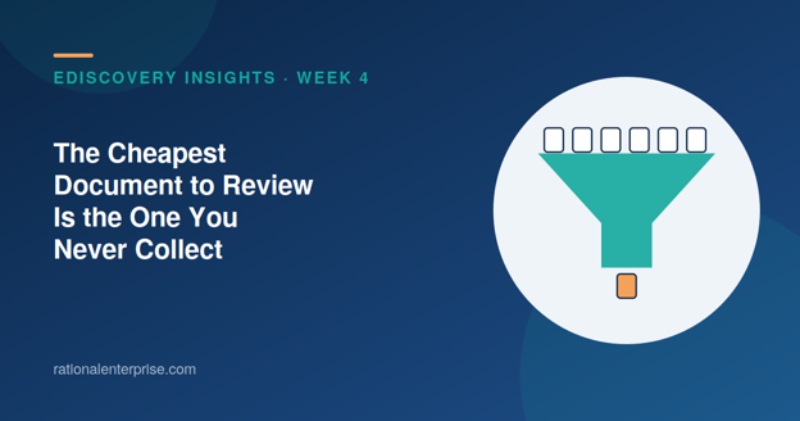
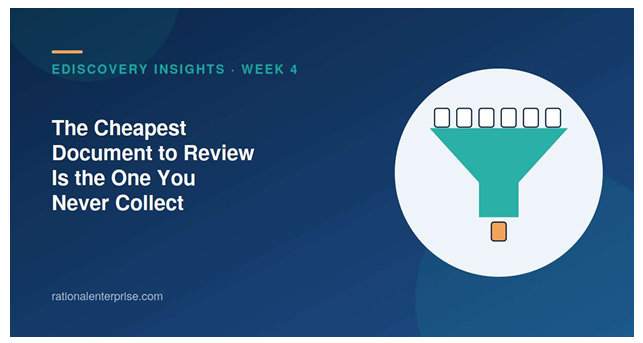
Most eDiscovery spending happens downstream, in processing, hosting and review. But the size of that bill is set much earlier, by how much data an organization keeps and how well it understands it. Industry estimates regularly suggest that a large share of enterprise data is redundant, obsolete or trivial (ROT): duplicate files, outdated drafts, system logs and content with no business or legal value. When litigation hits, that data gets swept into collections, processed and hosted at cost, and sometimes reviewed by attorneys billing by the hour. In-place data governance changes the equation. Instead of copying everything to a review platform and sorting it out later, organizations index and classify data where it lives. Legal teams can search across file shares, email and cloud repositories, apply holds in place and collect only what’s relevant. The benefits compound. Smaller collections mean lower processing and hosting fees. Fewer documents mean faster, cheaper review. And knowing what you have before a matter starts makes early case assessment far more reliable. This is the approach Rational Enterprise was built around: governing information at the source so eDiscovery starts with clarity, not a data dump. Word count: ~200